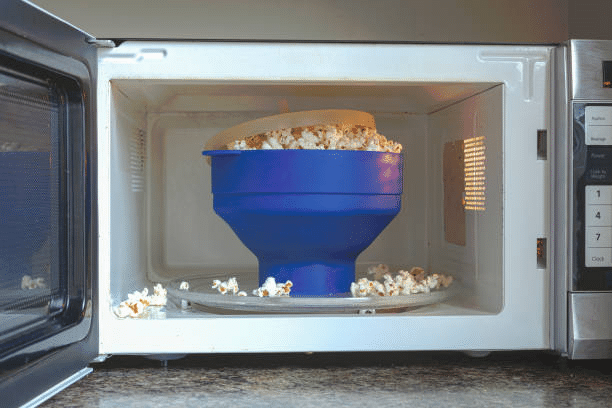
Making popcorn at home doesn’t have to involve a pot, a stovetop, and constant attention. A popcorn popper offers a dedicated way to prepare fresh snacks for movie nights, family gatherings, or afternoon breaks. Different models use different heating methods, so the results and cooking experience can vary. Understanding these differences helps you choose a machine that suits your kitchen and eating habits.
A popcorn machine maker can also make snack preparation more convenient when several people want popcorn at once. Some designs focus on quick, small batches, while others support larger servings. Features such as transparent chambers, removable trays, and built-in stirring systems can affect everyday use. Looking beyond appearance helps you identify which features offer practical value.
The Design Details That Affect Daily Use
The design of a popcorn appliance influences how easily you can prepare, collect, and serve your snack. A machine with accessible controls and a stable base can simplify the process. Its construction also affects cleaning and storage. These details matter when you plan to use the appliance regularly.
Transparent Chambers and Viewing Windows
Some popcorn machines feature clear panels that let you watch kernels as they heat and pop. This design adds a visual element to snack preparation, especially during family movie nights or small parties. A popcorn machine maker with a viewing window also lets you observe the popping process without opening the cooking chamber. However, a viewing window doesn’t replace the need to follow the machine’s operating instructions.
Transparent cabinets are particularly common in countertop and cart-style machines. They can make serving easier when the machine includes a collection area beneath the kettle. Before choosing one, check whether the panels are easy to wipe clean. Popcorn crumbs, oil residue, and seasoning can collect around corners and edges.
Built-In Stirring Mechanisms
A stirring mechanism helps move kernels around the heated cooking surface. This feature is useful in certain kettle-style models because it distributes kernels during preparation. It can also reduce the need for manual shaking. The design and movement of the mechanism vary between machines.
Not every popcorn appliance needs a stirring system. Hot air poppers use circulating air to move and heat kernels instead. Stovetop models may rely on a hand-operated stirring handle. Consider the cooking method before deciding whether this feature is important for your needs.
Removable Trays and Serving Areas
A removable tray can make collecting popcorn easier after cooking. Some machines include a separate compartment that catches unpopped kernels and crumbs. This helps keep the serving area more organized. It can also simplify cleanup after preparing several batches.
Check how easily the tray slides out and whether it can be cleaned without special tools. A wide opening may also make transferring popcorn into bowls more convenient. If you often serve guests, consider the placement of the collection area. A practical design should reduce spills rather than create extra steps.
Performance Features That Influence Popcorn Quality
A machine’s main job is to turn kernels into light, crisp popcorn. Its heating system, airflow, and cooking chamber all affect the outcome. Small design differences can change how many kernels pop and how much attention the process requires. Looking at these features can help you compare machines beyond their appearance.
Heating Power and Temperature Control
Wattage is one of the specifications you’ll often see when comparing electric popcorn machines. It indicates electrical power consumption, but it doesn’t guarantee better popping results. Heating design and temperature consistency also influence how kernels cook. Check the manufacturer’s instructions to understand the machine’s recommended batch size and operating conditions.
Some appliances use a simple on and off switch, while others offer additional controls. Basic models can be suitable for straightforward preparation. More advanced designs may provide separate functions for heating and keeping popcorn warm. Consider whether these extra controls match your actual snacking habits.
Airflow and Steam Release
Air poppers depend on moving hot air through the cooking chamber. Their airflow design helps heat kernels and carry popped corn toward the collection bowl. A well-positioned outlet can make serving cleaner and reduce popcorn scattering across the counter. Always check the outlet shape and recommended bowl placement.
Steam release also affects the final texture. Excess moisture can make freshly popped corn feel soft instead of crisp. Machines with suitable ventilation allow steam to escape during preparation. Keep the appliance away from cabinets or surfaces that could be affected by hot air, and follow its placement instructions.
Measuring Tools and Ingredient Access
Accurate measurements help you prepare consistent batches. Some machines include a measuring cup or a dedicated kernel scoop. These accessories can help prevent overfilling and make it easier to repeat a successful recipe. They are especially useful when different people operate the same appliance.
Ingredient access matters when you want to experiment with flavors. A removable lid or accessible kettle can make adding kernels and oil more convenient. However, never add ingredients while a machine is running unless its instructions specifically permit it. Clear operating guidance is more important than extra accessories.
Matching Machine Styles to Different Settings
Your preferred popcorn experience can help narrow down the available designs. A compact appliance may suit a small kitchen, while a larger machine can support regular gatherings. Some models focus on convenience, and others recreate the appearance of traditional cinema equipment. Each style serves a different purpose.
Compact Countertop Models for Small Spaces
Countertop machines are practical when you want a dedicated appliance without giving up too much floor space. They can sit on a kitchen counter, dining area, or entertainment shelf. Their smaller footprint also makes them easier to move when you need additional workspace. Check the appliance’s height before placing it beneath overhead cabinets.
A compact popcorn popper may work well for students, couples, and small households. Some designs use hot air, while others include a heated plate or kettle. Their batch capacity and cleaning needs can differ considerably. Read the product specifications to understand what each model can handle.
Theater-Style Machines for Gatherings
Theater-style machines bring a familiar cinema appearance to home entertainment areas. Many feature a glass cabinet, a heated kettle, and a collection space for finished popcorn. Some models also include decorative lighting or a matching cart. These features can make snack preparation part of the entertainment experience.
Their larger size requires more planning. Measure the available space and consider where you’ll store kernels, serving bags, and cleaning supplies. Check whether the machine includes a warming function if you want to hold finished popcorn before serving. Remember that warming features can affect texture if popcorn stays inside for too long.
Keeping Your Popcorn Machine Ready for Regular Use
Regular care helps keep a popcorn appliance clean and ready for the next batch. Unpopped kernels, oil, and seasoning can collect in different parts of the machine. Leaving these behind may create unpleasant smells or make later cleaning more difficult. A simple routine after each use can prevent buildup.
Safe Operation and Proper Maintenance
Place the machine on a flat, stable surface before switching it on. Keep children away from hot kettles, heating plates, and steam outlets. Avoid touching heated components during or immediately after cooking. Unplug the appliance and allow it to cool before removing parts or cleaning its surfaces.
Inspect the power cord and removable components occasionally. Follow the manufacturer’s guidance for cleaning electrical parts and handling the cooking chamber. Never immerse an electrical base in water unless the instructions explicitly allow it. Proper care can also help you notice loose parts or other problems before the next use.
Storing Kernels and Accessories
Good popcorn starts with properly stored ingredients. Keep kernels in an airtight container in a cool, dry place. Excess moisture can affect popping performance, while poor storage can reduce freshness. Labeling different kernel varieties can also make it easier to experiment with new recipes.
Store measuring cups, scoops, and removable accessories together whenever possible. Keep the machine’s instructions nearby for reference. If you use the appliance occasionally, make sure it is completely clean and dry before putting it away. This simple preparation makes the next snack session easier.
FAQs
What features should you look for in a popcorn popper?
Consider heating performance, batch capacity, ease of cleaning, serving design, and available safety features. Choose options that match your kitchen and regular usage.
Is a popcorn machine maker suitable for small kitchens?
Yes. Compact countertop and microwave models can fit smaller kitchens. Check their dimensions and storage requirements before choosing one.
Does a higher wattage popcorn machine make better popcorn?
Not necessarily. Heating consistency, airflow, and cooking chamber design also affect popping performance.
Can you make flavored popcorn in an electric popcorn popper?
Yes. You can add suitable seasonings after popping. Some kettle-style machines also allow oil during cooking, depending on their instructions.
How can you reduce unpopped kernels in a popcorn machine?
Use fresh kernels, follow the recommended measurements, and avoid overfilling the appliance. Proper storage also helps maintain kernel quality.