A forklift earns its value through safe lifting, predictable uptime, and controlled running costs. Purchase choice affects every one of those outcomes. An authorized dealer gives the buyer verified equipment history, factory-aligned support, and clear service obligations before the truck starts work. That foundation reduces avoidable repairs, warranty disputes, and early value loss, while helping our teams keep people, stock, and schedules protected.
Verified Equipment Source
Selecting equipment through a Doosan forklift dealer gives managers a documented route from specification to handover. Capacity, mast height, tire type, fuel choice, and expected duty cycle can be checked against real site conditions. That review helps prevent costly mismatches, especially in busy warehouses, yards, loading bays, and mixed-use material handling operations.
Warranty Protection
Warranty cover has value only when its terms are understood and followed. Authorized dealers can explain service intervals, claim conditions, excluded damage, and inspection duties before delivery. That guidance helps protect our budget from rejected claims caused by missed maintenance or poor records. Clear purchase paperwork also supports future valuation, finance review, or trade-in discussions.
Access to Genuine Parts
Forklift parts operate under load, heat, vibration, and hydraulic pressure. Incorrect components may fit briefly but still cause strain on brakes, steering, lift chains, pumps, or cooling systems. Authorized dealers supply approved parts matched to the truck’s design. Proper fit helps preserve performance, reduce secondary damage, and keep safety systems working as intended.
Trained Service Support
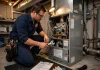
A modern forklift is a connected machine, with mechanical, electrical, hydraulic, and control systems working together. Dealer technicians use current diagnostic tools and factory service information. That training matters when a warning light, lift fault, or steering issue appears during production. Accurate diagnosis prevents repeat failures and keeps minor faults from reaching expensive assemblies.
Safer Daily Operation
Safe lifting depends on equipment condition as much as operator care. Brakes, forks, tires, chains, lights, alarms, seats, and stability features all need regular attention. Authorized dealer inspections compare those items with manufacturer requirements. Early correction of wear helps reduce dropped loads, unstable travel, rack strikes, and injuries near active work areas.
Better Asset Records
Good asset records tell the true story of a forklift. Dealer invoices, inspection reports, parts lists, and service notes show how the truck has been cared for over time. Those files help managers track repair patterns, running costs, and remaining useful life. They also give buyers confidence when the machine is later sold or traded.
Correct Truck Matching
The wrong forklift can cost more than its purchase price suggests. Low capacity strains motors, hydraulics, tires, and frames. Poor tire choice can damage floors or reduce traction on outdoor surfaces. Authorized dealers ask about load weights, aisle width, lift height, surface condition, gradients, attachments, and shift length. Better matching protects productivity and reduces avoidable wear.
Predictable Maintenance Planning
Emergency repair usually costs more than planned care. Dealers can schedule maintenance around hours, environment, application, and workload intensity. That planning helps our business arrange labor, parts, and downtime before a failure interrupts orders. Timely servicing also protects major components because wear is corrected before it spreads through connected systems.
Stronger Resale Position
A forklift with documented dealer care is easier to assess. Buyers want proof that service work, parts replacement, inspections, and repairs were handled properly. Complete records reduce doubt during resale or trade-in talks. That evidence can protect asset value when the business upgrades equipment, changes capacity needs, or reduces fleet size.
Fewer Compliance Gaps
Workplace equipment duties require safe conditions, suitable maintenance, and reliable inspection evidence. Authorized dealers help owners keep service activity aligned with manufacturer guidance. They can also identify defects that affect daily checks or formal reviews. Organized records make it easier to show that our business took equipment care and worker protection seriously.
Conclusion
Buying from an authorized forklift dealer protects more than the purchase price. It supports warranty strength, safer operation, correct parts, skilled servicing, and credible records. Those safeguards help preserve asset value while reducing avoidable disruption across daily operations. A forklift works close to people, stock, and infrastructure, so its support network should be chosen with the same care as the machine itself.